As Communications students, disconnecting from the world and focusing on ourselves can be extra challenging as we’re encouraged to constantly stay connected and up to date with the happenings of the world. With so much going on in our daily lives, we rarely take the time to check in with ourselves. We might not even know how to connect with ourselves. This article will talk you through little activities you can easily incorporate into your daily life that will help you prioritize your wellbeing
- Meditation
Numerous studies have shown that meditation has many health benefits including reducing anxiety, lowering blood pressure, and improving sleep. However, the many types of meditation: spiritual meditation, mantra meditation and focused meditation etc., can be overwhelming for beginners who don’t know where to start. A main feature of meditation is making a conscious effort to be present by focusing your attention and eliminating the stream of jumbled thoughts that may be crowding your mind. The following are great resources to get you started on your meditation journey.
Headspace is a great starting point for those wanting to delve into the world of meditation. The short guided meditations are extremely helpful for beginners!
Once you’ve gotten into the habit of daily meditation, challenge yourself by slowly extending your meditation sessions. With so many apps and podcasts available, don’t be afraid to try new meditation styles to find what works best for you!
2. Breathing Exercises
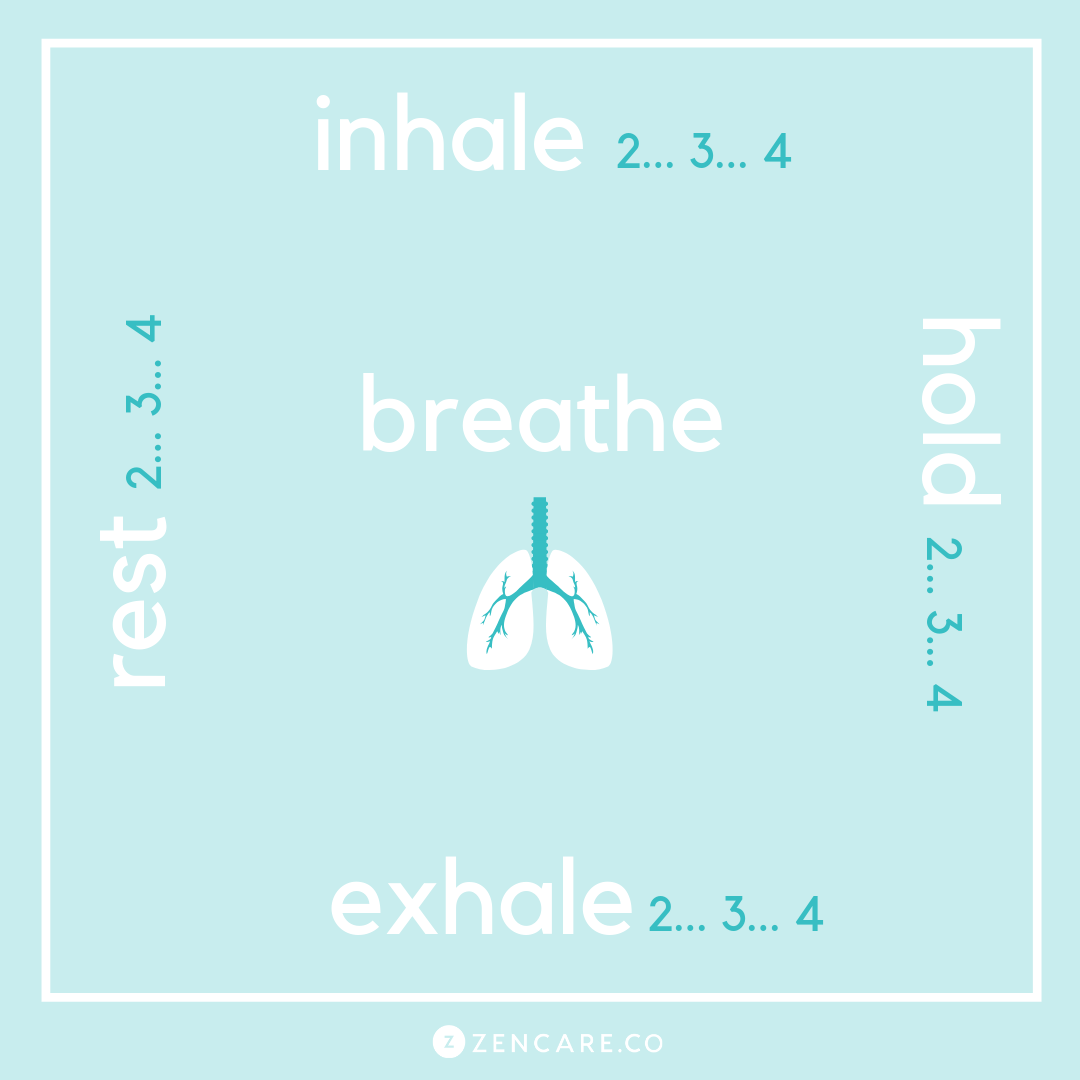
Similar to meditation, breathing exercises have many health benefits including reducing stress and improving blood pressure. Breathing exercises can be done anywhere, on your commute or even while you’re seated at your desk at uni. Breathing exercises force you to be present and aware of your own body by focusing on your breathing patterns. Similar to meditation, there are many types of breathing exercises and it’s important to find one that works for you. Square breathing is a great beginner-friendly breathing exercise you should try!
3. Daily Affirmations
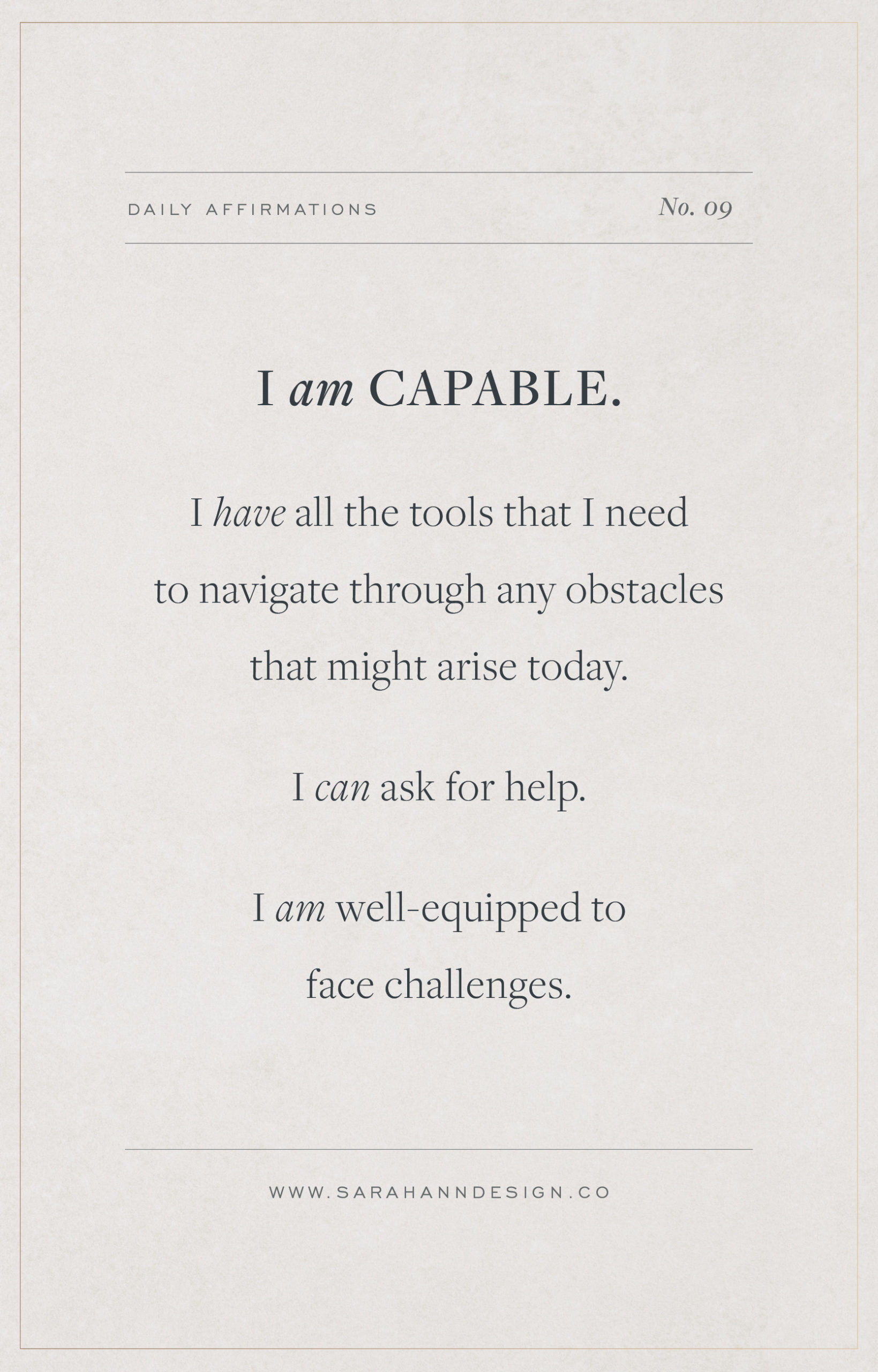
A recent review found that up to 82% of people experience imposter syndrome. As young adults in a university setting, many of us have undoubtedly experienced feelings of self-doubt and inadequacy. However, it is often these negative thoughts that set us up for failure as we already have a mindset of failure. Affirmations are positive statements that can help challenge self-sabotaging thoughts and re-frame our perspective to a positive one that lends us confidence in our daily life. Hearing daily affirmations convince ourselves that we are capable, and that our negative thoughts are in fact, false and self-sabotaging. Below is a list of affirmations you can include in your daily routine – repeating these affirmations to yourself while you’re getting ready or before you start you start your day!
4. Gratitude Journal
As busy university students, we often get caught up in our busy daily schedules and get overwhelmed with out never-ending tasks. We all know the importance of self-reflection but can never find the time to actually slow down. A gratitude journal is a simple way for us to reflect on the day and incorporate appreciation for life in our daily routines. A journal entry doesn’t have to be 1500 words long, it can be as simple as listing 3 things you were grateful for during the day. It forces you to be present and reflect on the good every day. Your daily gratitude journal could look something like this –

I hope you try some of these methods out! Let us know how you like to keep yourself grounded and if there are any other methods we should incorporate into our daily routine!