With so much attention being given to personal well-being, we tend to forget that well-being is more than just about the self. Well-being is also about being conscious of our actions, how we treat others and our environment.
All the literature has shown that climate change is real and that it’s essential to take action now to minimise further damage to the earth. Adding ‘saving the earth’ to the list of things to do is a huge mission. Some of us are just starting our adulthood journey and are still shrinking clothes in the dryer, how are we meant to fix an issue caused by major international corporations? This article will talk you through little changes you can make to your daily life to reduce your carbon footprint. ‘Saving the earth’ doesn’t have to cost much and isn’t this huge daunting task. It can be quick, simple and easy!
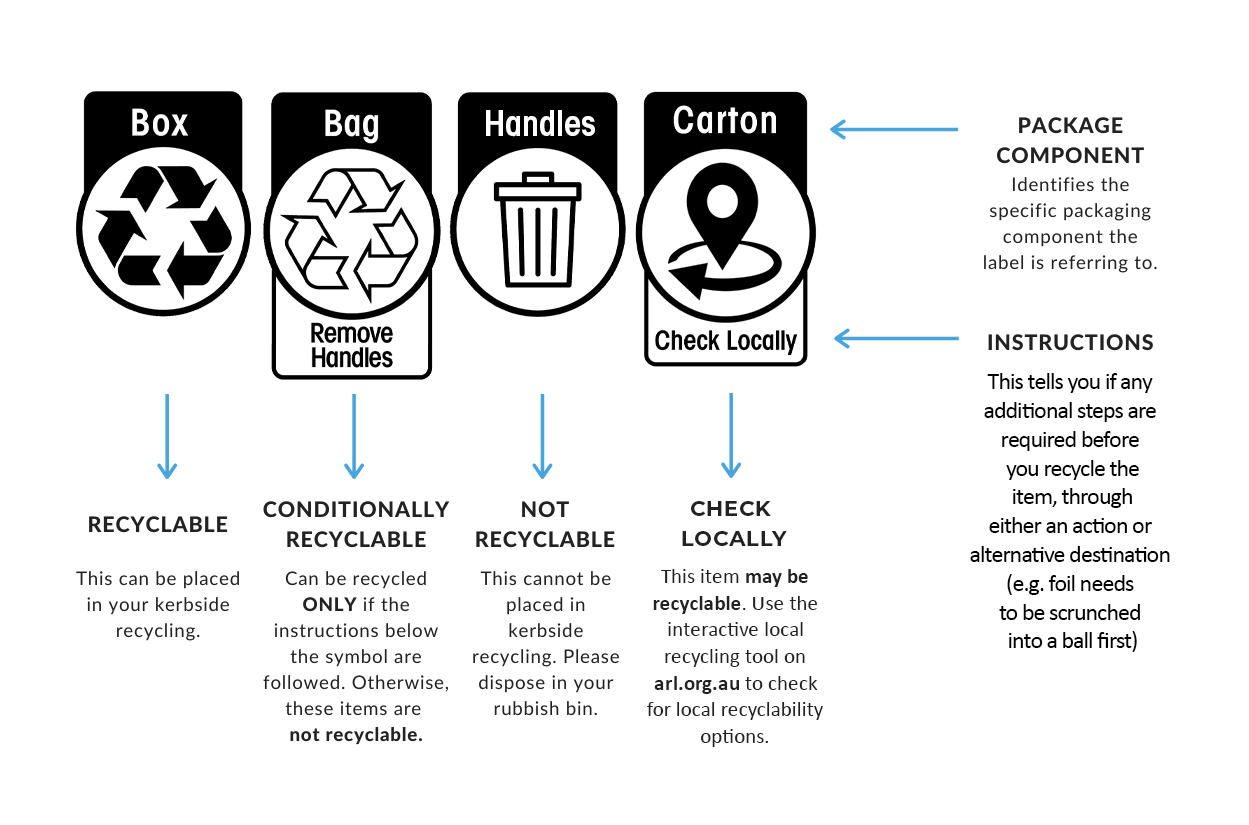
We all know recycling is the easiest way to contribute to the environment. Even better, its free! However, trying to understand recycling labels has always been a source of confusion. New labels make things easier – explicitly telling you where to put different components of products.
Companies have even taken it one step further with the option to return some products to the store. For instance, instead of throwing out wrappers, keep it in a bag and return it to your local grocery store on your next grocery run. It’s doesn’t add much time to your weekly routine and you’re giving back! How great!
- Reusing
Re-purposing jars and boxes is another great, cost-effective way of being conscious of your impact on the environment! Like many millennials, I have a slight plant obsession that has been further fuelled by the pandemic. I love buying plants but pots are incredibly pricy for some reason. A great way to get around this is by re-purposing used candle jars and using them as pots for your little planters!
Another way to be conscious about our impact on the environment is by considering sustainable alternatives for products we use everyday but don’t give a second thought to, much less have conversations about! As a University student, I was always under the impression that making the switch to sustainable options would be more costly but the Aussie owned companies I’ve listed below show that’s not always the case!
- Toilet Paper
Toilet paper was always something I just took for granted. It was only when I actually thought about how trees were literally being chopped down for me to clean my bum did I realise how wasteful non-recycled toilet paper actually is. If you’re not comfortable with the idea of a bidet, switching to recycled toilet paper or even bamboo toilet paper is a great alternative! I’ve linked 2 local companies here for you to check out.


- Cleaning Products
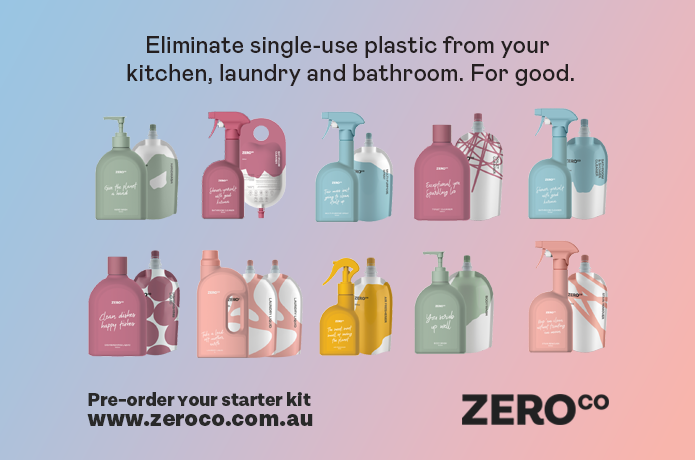
As far as cleaning products go, I always just pick the ones that are on sale or the ones that I know smell good. I just want something that’s easy to use and gets the job done. Over the years, I’m sure I’ve accumulated a fair share of plastic bottles that have ended up in a landfill somewhere. But that’s not the case any more. I’ve switched to an Aussie owned brand called Zeroco. All their cleaning products come in sachets that get sent back to the company to be refilled when empty and can be stored in their plastic bottles made from recycled materials.
- No-waste shops
If you’re not ready to commit, a great way to get started is low waste stores! Simply bring in your empty containers and get them refilled in store with products of your choice! These shops carry more than cleaning products, find everything you need from flour to spices to beans! You simply scoop up how much you need so you don’t end up forgetting about the ingredients and save on throwing it out when you remember it exists 6 months later!
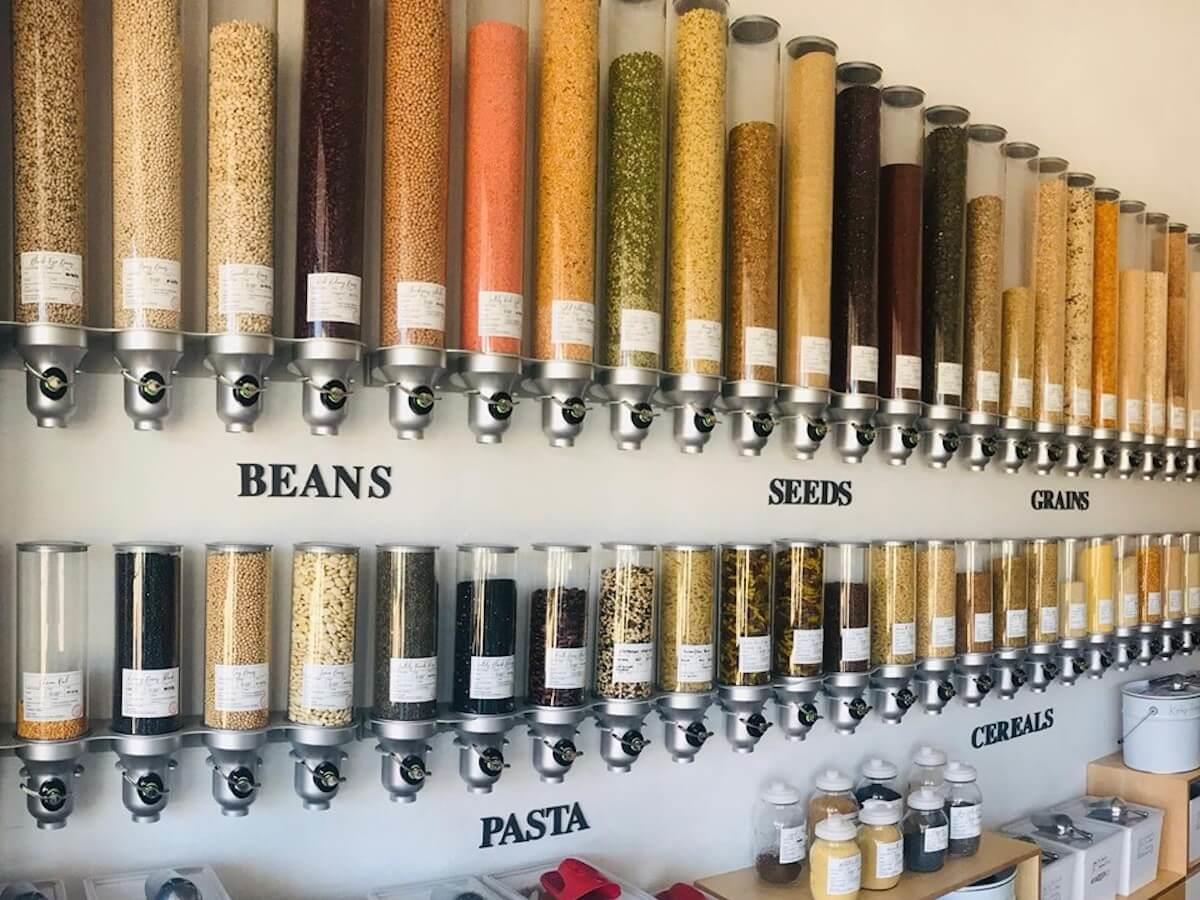
Here are 3 no-waste shops in the area that you should definitely pop by to start your journey to reduce single use plastics.
Many studies and even documentaries have showed that fast fashion continues to be a huge cause of concern. However, as University students, fast fashion seems to be the only viable option for us as our options are limited by budget constraints. However, when it comes to sustainably clothing ourselves, there are a few options.
- Thrifting
95% of all textiles have the potential to be reused or recycled, but currently they are recycled at a rate of only 15%. Purchasing pre-loved clothes from place such as Salvos is a great way of revamping your closet without breaking the bank. Another great option is buying pre-loved clothes from Facebook Marketplace, where it’s easy to find boutiques selling fashionable and affordable second-hand clothing.
2. Recycled Materials
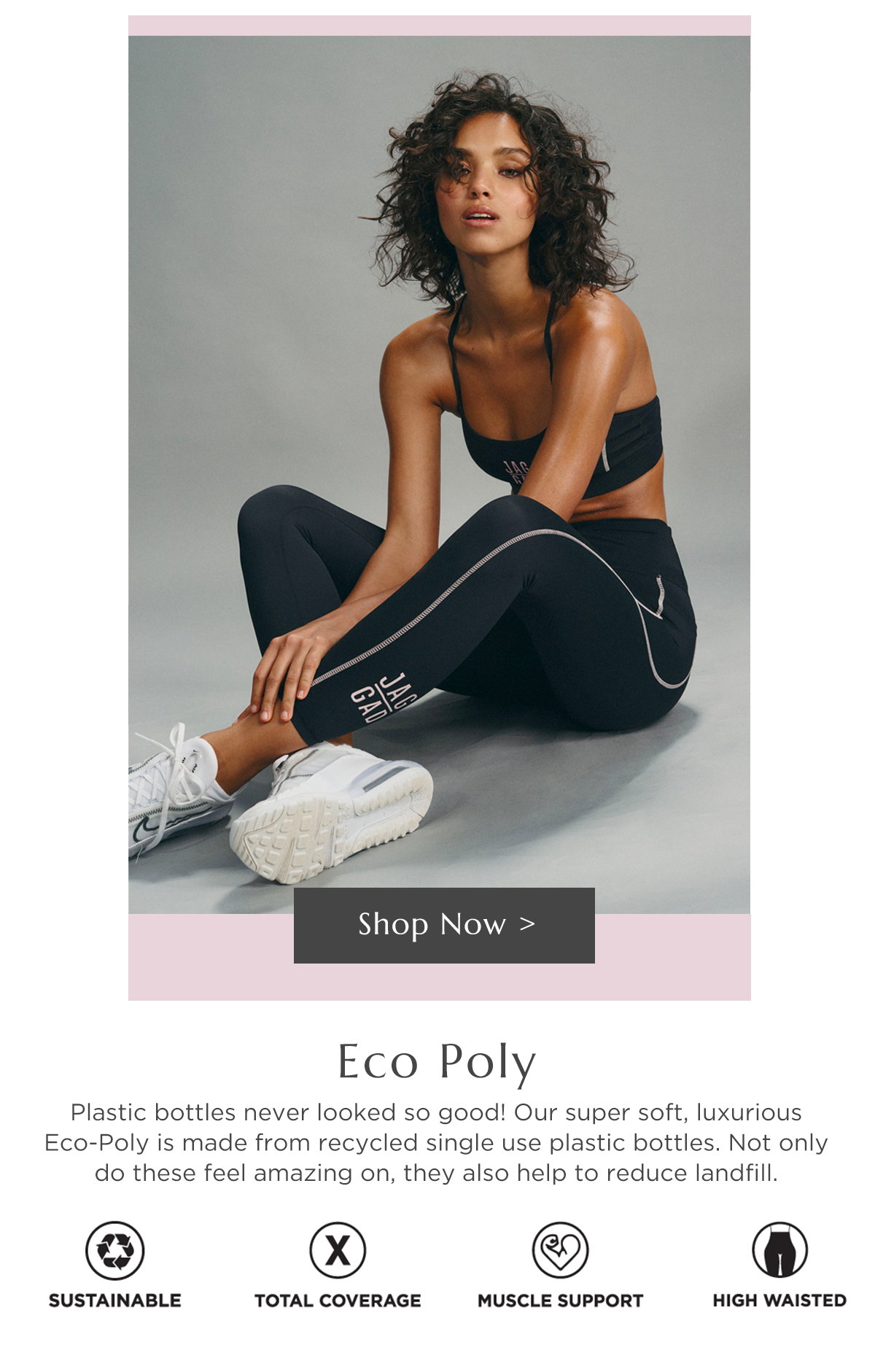
As companies grow more aware of reducing waste, many brands use Polyester fibers that have been made from the recycling of discarded single use bottles that were destined for landfill. When shopping online, keep your eye out for sustainable, eco-friendly alternatives!
I hope you try some of these methods out! Let us know of any other quick and easy tips and tricks you use in your daily life!